
Backyard Grading for Better Drainage: A DFW Homeowner's Overview
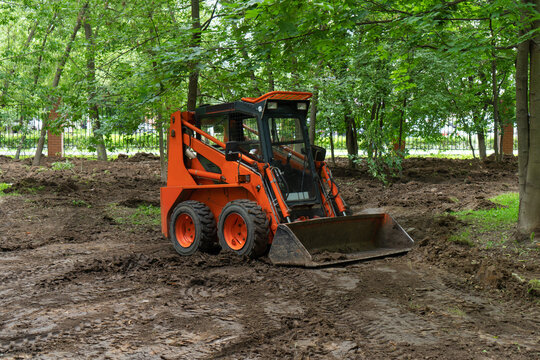
A backyard that never quite dries out after rain, soggy patches that seem to appear in the same spots every single time it storms, or water that pools uncomfortably close to the house — these are among the most common frustrations DFW homeowners deal with, and often, the actual fix isn't landscaping, new plants, or better mulch. It's grading. If you've searched "backyard grading for drainage," here's a genuinely thorough look at how this service works and why it matters so much more than most homeowners initially realize.
At B.A. Concrete & Roofing, backyard grading for drainage correction is one of the more common requests we handle as part of our skid steer services throughout DFW and Johnson County, and it's a project where understanding the underlying cause matters just as much as the physical work itself.
What Is Backyard Grading?
Grading is the process of reshaping the slope of your yard — subtly adjusting elevation across different areas of the property — to properly direct water away from your home and toward appropriate drainage areas, rather than allowing it to pool in low spots or, worse, flow toward your foundation.
Every yard has some degree of natural slope, even if it's not immediately obvious to the eye. The question grading addresses is whether that slope is actually working in your favor — directing water where it should go — or working against you, concentrating water in problematic areas.
Signs Your Backyard Needs Grading
Water Consistently Pools in the Same Low Spots After Rain
If you notice the same specific areas of your yard collecting standing water after every significant rain event, this is one of the clearest indicators that the natural grade has a low point that isn't draining properly.
Soggy or Muddy Patches That Never Fully Dry Out
Beyond just standing water immediately after rain, some yards develop persistently soggy areas that remain damp far longer than the rest of the property, even during periods without recent rainfall — often a sign that water is being trapped or slowly draining through an area rather than flowing away efficiently.
Water Flowing Toward Your Home's Foundation Instead of Away From It
This is perhaps the most concerning sign, since water directed toward rather than away from a foundation can contribute to serious, expensive structural problems over time, particularly relevant in DFW where expansive clay soil already puts significant stress on foundations.
Visible Erosion in Areas Where Water Regularly Runs
Channels, bare patches, or visibly eroded soil in specific areas often indicate that water is following a concentrated path across your property, wearing away soil and vegetation along that route over repeated rain events.
Difficulty Establishing Grass or Landscaping in Certain Areas
Persistently wet or poorly draining areas often struggle to support healthy grass or plant growth, since most common landscaping choices don't tolerate consistently saturated soil well.
How the Grading Process Works
1. Assessment
The process begins with a genuine evaluation of the current slope across your property, identifying not just the obvious problem areas but understanding the broader pattern of how water moves across your entire yard, since isolated fixes without this broader understanding often just shift the problem elsewhere rather than actually solving it.
2. Regrading
Based on the assessment, the yard is reshaped to establish a proper, intentional slope directing water away from the home and toward appropriate drainage areas — this might mean subtle adjustments across a large area or more significant reshaping in specific problem zones.
3. Soil Compaction
Newly graded areas need proper compaction to ensure the new slope remains stable and doesn't settle unevenly over time, which could undermine the corrected grade and allow the original drainage problems to gradually return.
4. Final Inspection
Confirming that water flow direction across the regraded areas actually matches the intended design, ideally verified during or immediately after a rain event to observe real-world performance rather than relying purely on visual inspection of the dry, graded surface.
Why Proper Grading Matters Long-Term
Beyond the Immediate Inconvenience
Poor drainage doesn't just create an inconvenient, soggy yard that's unpleasant to walk across or maintain — though that alone is a legitimate quality-of-life concern for many homeowners. Over time, persistent drainage issues can contribute to more serious problems.
Foundation Concerns
Water that consistently flows toward or pools near a home's foundation can contribute to the kind of soil movement and moisture-related stress that leads to foundation cracking or settling — a genuinely expensive problem to address once it develops, especially compared to the relatively modest cost of proper grading that prevents it from occurring in the first place.
Erosion and Structural Damage
Persistent water flow patterns can gradually erode soil around patios, driveways, fence posts, or other structures, potentially undermining their stability over time even if the structures themselves weren't the original source of the drainage problem.
Landscaping and Property Value Impact
Beyond structural concerns, chronic drainage issues affect a property's overall appearance and usability — areas that can't support healthy grass or landscaping, or that remain unusable after rain for extended periods, genuinely detract from a property's overall appeal and functionality.
Grading and DFW's Clay Soil
Why This Region's Soil Adds Complexity
North Texas's expansive clay soil is particularly sensitive to moisture changes — swelling significantly when saturated and contracting during dry periods. This characteristic means improper drainage doesn't just create surface-level puddles; it can actively worsen the soil movement that already affects foundations, driveways, and other structures throughout the region.
How This Affects Grading Decisions
Given this reality, grading in DFW needs to account for more than just moving water away from problem areas in a generic sense — it needs to specifically consider how the region's soil will respond to concentrated water flow, ensuring the corrected grade doesn't inadvertently create new problems by directing water toward another vulnerable area of the property.
Why Generic Drainage Solutions Don't Always Translate
Drainage and grading advice or techniques that work well in regions with more stable, well-draining soil types don't always translate directly to DFW's specific conditions, which is part of why local experience with this particular soil type matters when addressing drainage issues.
When to Combine Grading With Other Projects
Before New Concrete Work
Backyard grading is often planned alongside other projects — particularly before pouring a new patio or other concrete feature — since regrading beforehand ensures the finished concrete project performs well from the start rather than developing its own drainage issues once installed.
Alongside Fence Installation
For properties where drainage issues intersect with planned fence installation, addressing grading concerns as part of the overall project can prevent future complications with fence post stability that persistent moisture problems might otherwise cause.
As Part of Broader Landscaping Updates
Homeowners planning a more comprehensive landscaping overhaul often find it efficient to address underlying drainage issues as part of that broader project, rather than fixing surface-level landscaping only to have persistent drainage problems undermine the new plantings.
Common Grading Mistakes to Avoid
Addressing Only the Visible Symptom
Simply filling in a low spot with additional soil without understanding the broader drainage pattern often just relocates the problem rather than actually solving it, since water still needs somewhere to go.
Ignoring How Grading Affects Neighboring Properties
Regrading decisions need to account for how water flow changes might affect adjacent properties, since simply directing water more efficiently off your own land and onto a neighbor's property can create new problems and potential disputes.
Underestimating the Scope of the Actual Problem
Some drainage issues that appear isolated to one specific area are actually symptoms of a broader grading problem across a larger portion of the property, which means a narrow, localized fix may not adequately address the underlying issue.
Tips Before Scheduling Backyard Grading
- Track where and when water pools after rain, ideally over multiple rain events, to help identify genuine patterns rather than a one-time anomaly
- Ask your contractor to evaluate your yard's full slope, not just the visibly wet spots, since a comprehensive understanding produces a more effective long-term solution
- Consider grading before any new concrete or structural projects, ensuring the underlying ground is properly prepared before adding features on top of it
- Discuss long-term drainage goals, not just the most immediate visible issue, thinking about how the corrected grade will perform across different seasons and rain intensities
- Ask how the regrading plan accounts for DFW's specific clay soil behavior, ensuring your contractor genuinely understands the regional soil characteristics rather than applying a generic approach
Why Property Owners Trust Our Grading Team
With over 15 years of experience, our in-house team grades backyards throughout DFW and Johnson County to solve drainage problems at their actual source, bringing genuine understanding of how this region's specific soil conditions affect water flow and long-term grading performance.
Dealing With Standing Water in Your Backyard?
Whether it's a persistently soggy corner of the yard, water pooling uncomfortably close to your foundation, or erosion that keeps getting worse with each rain event, proper grading addresses these issues at their genuine source rather than offering a temporary, surface-level fix.

Dealing with standing water in your backyard? Get your free estimate here.