
Carport Foundations: Concrete Slab vs. No Foundation Options in DFW
The foundation beneath a carport is easy to overlook when planning the project — most of the attention naturally goes to size, roof style, and appearance. But the foundation is actually one of the biggest factors in how long a carport lasts and how well it holds up against Texas wind and storms. If you've searched "carport foundation options DFW," here's a detailed look at what property owners should understand before installation begins.
At B.A. Concrete & Roofing, foundation planning is one of the first conversations we have with homeowners throughout DFW and Johnson County, because getting this decision right affects everything else about the structure's long-term performance.
Why the Foundation Matters More Than Most Homeowners Expect
A carport's foundation does more than just "hold it up." It determines how the structure is anchored, how well it resists wind uplift during storms, how stable it remains as the soil beneath it shifts with the seasons, and ultimately, how long the entire structure lasts before requiring repair or replacement.
Given that DFW sees a mix of severe thunderstorms, straight-line winds, and expansive clay soil that moves considerably throughout the year, foundation choice isn't a minor detail — it's one of the most consequential decisions in the entire project.
Option 1: Concrete Slab Foundation
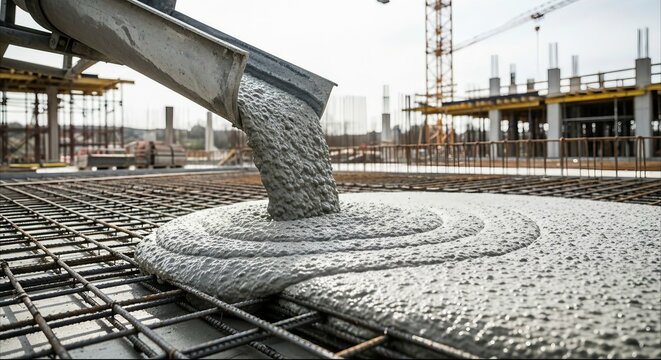
A concrete slab foundation involves pouring a reinforced concrete pad sized to match the carport's footprint, with anchor bolts embedded directly into the cured concrete to secure the structure's posts.
Benefits of a Concrete Slab Foundation
- Superior anchoring stability — anchor bolts set into solid, cured concrete provide the strongest overall connection between the structure and the ground
- A clean, usable surface — unlike gravel or dirt, a concrete slab gives you a finished, easy-to-maintain surface underneath the carport
- Better long-term wind resistance — because the structure is anchored to a stable, unified concrete pad rather than individual points in the soil, the overall wind resistance is generally higher
- Reduced risk from soil movement — a properly poured and reinforced slab distributes weight evenly and resists the kind of uneven settling that can affect posts set directly into shifting soil
- Added property value — a permanent, well-built structure with a proper foundation is generally viewed as a stronger long-term investment than a more temporary setup
Considerations for a Concrete Slab Foundation
- Requires additional upfront cost and time, since the slab needs to be poured, reinforced, and allowed to properly cure before construction begins
- Requires proper site grading and preparation before the pour, adding a phase to the overall project timeline
- Represents a more permanent installation, which is worth considering if there's any chance you might want to relocate the structure in the future
Option 2: Posts Set Directly Into the Ground (No Slab)
This approach involves digging holes for the carport's support posts and setting them directly into the ground, sometimes with concrete poured around the base of each individual post (rather than a full slab) for added stability.
Benefits of This Approach
- Lower upfront cost — without a full slab pour, this method is generally more budget-friendly
- Faster installation — skipping the slab pour and its curing time can mean a quicker overall project timeline
- Simpler for smaller or temporary structures — for a very basic, low-cost carport, this method can be a reasonable compromise
Considerations for This Approach
- Reduced wind resistance — anchoring individual posts into soil, even with concrete footings around each one, generally doesn't provide the same overall structural stability as a unified concrete slab
- More vulnerable to DFW's soil movement — North Texas's expansive clay soil expands and contracts significantly with moisture changes, which can gradually loosen posts set directly into the ground over time
- No finished surface underneath — the area beneath the carport remains dirt, gravel, or whatever the natural ground condition is, which can mean mud, dust, or an unfinished appearance
- Potentially shorter lifespan — because of the increased vulnerability to soil movement and generally lower wind resistance, structures using this method may require more frequent repairs or reach the end of their usable life sooner
Option 3: Individual Concrete Footings (A Middle Ground)
Some carports use a hybrid approach — individual concrete footings poured around each post, without a full connecting slab across the entire footprint.
Benefits of Individual Footings
- Offers improved stability compared to posts set directly into soil, without the full cost of a complete slab
- Still allows for a faster installation than a full slab foundation
- Can be a reasonable middle-ground option for property owners balancing budget against durability
Considerations for Individual Footings
- Still doesn't offer the same overall structural unity and wind resistance as a full concrete slab
- The ground beneath the carport, aside from the footings themselves, remains unfinished
- May still be more vulnerable to uneven settling across the structure compared to a single, unified slab
Why DFW's Soil Conditions Make This Decision Especially Important
North Texas sits on expansive clay soil that swells considerably when it absorbs moisture and shrinks significantly during dry periods. This constant cycle of expansion and contraction puts real, ongoing stress on anything anchored into the ground.
A concrete slab foundation, properly reinforced and poured over a well-prepared base, resists this soil movement far more effectively than posts or individual footings set more directly into the shifting clay. This is one of the primary reasons we generally recommend a full slab foundation for property owners in this region who want their carport to perform well for decades, not just a few years.
How Foundation Choice Affects Wind Rating
Because anchoring is one of the single biggest factors in a structure's actual wind resistance, foundation type directly affects how well a carport can withstand severe Texas storms. A concrete slab, with anchor bolts embedded into a stable, cured surface, generally allows for the strongest anchoring method available — an important consideration given how frequently North Texas experiences severe thunderstorms and straight-line winds.
Cost Comparison Across the Options
- No foundation (posts set in soil): Lowest upfront cost, but generally the least durable long-term option
- Individual concrete footings: A middle-cost option, offering improved stability over bare soil anchoring without the full investment of a slab
- Full concrete slab: Highest upfront cost, but typically the most durable, longest-lasting, and best-performing option against wind and soil movement
While the slab foundation costs more initially, it often proves to be the more cost-effective choice over the structure's full lifespan, since it reduces the likelihood of needing repairs or a full replacement due to storm damage or soil-related instability.
What This Means for Your Specific Project
The right foundation choice ultimately depends on your budget, how long you intend to keep the structure, how you plan to use the space beneath it, and your property's specific soil and wind exposure conditions. A carport intended purely as a low-cost, short-term solution may reasonably use a simpler foundation approach, while a structure meant to last for decades — especially one protecting a significant investment like an RV, boat, or multiple vehicles — is generally better served by a full concrete slab.
Tips Before Choosing a Carport Foundation
- Discuss your property's specific soil conditions and typical wind exposure with your contractor
- Consider how you plan to use the space beneath the carport, since this affects whether a finished concrete surface matters to you
- Weigh long-term durability against upfront cost realistically, rather than focusing only on the initial price
- Ask specifically how each foundation option affects the structure's overall wind rating and anchoring strength
- Get a written estimate that separates foundation cost from the carport structure itself, so you can clearly compare your options
Why Homeowners Trust Our Carport Foundation Guidance
With over 15 years of experience, our in-house team builds carports throughout DFW and Johnson County with foundation options suited to each property's specific needs, soil conditions, and budget — giving homeowners an honest comparison rather than pushing toward whichever option is easiest for us to install.
Ready to Choose the Right Foundation for Your Carport?
Understanding the real differences between these foundation options helps you make a decision that fits both your budget and your long-term expectations for the structure.

Ready to choose the right foundation for your carport? Get your free estimate here.