
Fire-Damaged Structure Demolition: What DFW Homeowners Need to Know
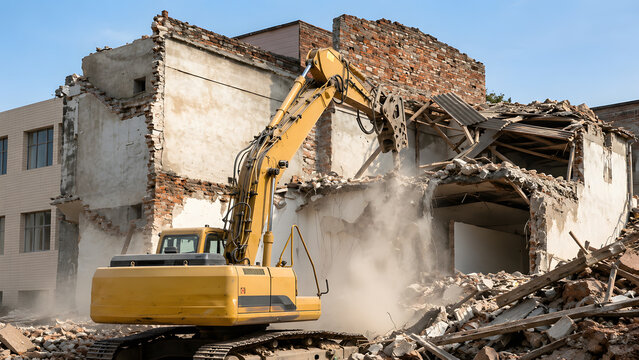
Dealing with a fire-damaged structure is one of the more difficult situations a property owner can face, both emotionally and logistically. Once the immediate crisis has passed and the fire department has cleared the scene, homeowners are often left facing a structure that's unsafe, unusable, and in need of professional demolition before rebuilding — or even basic cleanup — can begin. If you've searched "fire damage demolition DFW," here's a detailed look at what this process actually involves.
At B.A. Concrete & Roofing, fire-damaged structure demolition is a specialized part of our demolition services throughout DFW and Johnson County, and we understand that these projects come with a level of stress and urgency that a typical demolition job doesn't carry.
Why Fire-Damaged Structures Require a Different Approach
A structure damaged by fire isn't simply an older or unwanted building that needs to come down — it's often structurally compromised in ways that aren't immediately visible from the outside. Heat can weaken framing, steel, and structural connections in ways that create serious collapse risks, even in sections of the building that look relatively intact.
This means fire-damaged demolition can't be approached the same way as removing an old shed or an unused concrete slab. It requires careful assessment, specific safety protocols, and often coordination with insurance companies, fire investigators, and local building officials before work can even begin.
The Emotional and Practical Weight of This Situation
Beyond the physical demolition itself, homeowners dealing with fire damage are often navigating displacement, insurance claims, and the emotional toll of losing personal belongings or a home altogether. A demolition contractor who understands this reality — and communicates clearly and compassionately throughout the process — makes a genuinely difficult situation more manageable.
Step 1: Structural Assessment
Before any demolition work begins, the structure needs to be carefully assessed to determine what remains safely standing versus what poses an immediate collapse risk. This assessment considers:
- The extent and location of fire damage throughout the structure
- Whether load-bearing walls, beams, or the foundation itself have been compromised
- Water damage from firefighting efforts, which can weaken materials separately from the fire itself
- Any sections that may be structurally unstable and unsafe to enter without precautions
This step is critical because fire damage isn't always visible on the surface — a wall that looks intact might have significantly weakened structural framing behind it.
Step 2: Utility Verification and Disconnection
Fire-damaged structures often have compromised electrical systems, damaged gas lines, or other utility hazards that need to be addressed before any demolition work begins. This typically involves:
- Confirming electrical service has been properly disconnected, not just shut off at the breaker
- Verifying gas lines are safely capped or disconnected
- Checking for water damage that may have affected plumbing systems
- Coordinating with utility providers as needed for official disconnection
Given that fire damage can affect these systems in unpredictable ways, this verification step is treated with extra caution compared to a standard demolition project.
Step 3: Hazardous Material Considerations
Fire can create additional hazards beyond the structural damage itself. Depending on the materials involved and the extent of the fire, considerations may include:
- Soot and residue that may contain hazardous byproducts depending on what burned
- Water-damaged materials that may develop mold if not addressed promptly
- Potentially unstable or weakened materials that require careful, deliberate handling rather than typical demolition techniques
Step 4: Insurance Coordination
Many fire-damaged demolition projects are tied directly to an insurance claim, which means documentation and timing often need to align with the insurance company's requirements. This can involve:
- Allowing insurance adjusters to assess the damage before demolition begins
- Providing photo or video documentation of the structure's condition
- Coordinating timing so demolition doesn't interfere with the claims process
- Understanding that insurance approval may affect when work can actually start
Homeowners dealing with fire damage should discuss this timeline with both their insurance company and their demolition contractor early, since misaligned timing can create complications for the claim itself.
Step 5: Demolition
Once the structural assessment is complete, utilities are verified as disconnected, and any necessary insurance documentation has been gathered, the actual demolition can proceed. This typically involves:
- Careful, sectioned demolition rather than an aggressive, all-at-once approach, particularly for structurally compromised areas
- Ongoing attention to structural stability as the demolition progresses, since removing one section can sometimes affect the stability of adjacent areas
- Appropriate equipment for the specific type of damage and construction materials involved
Step 6: Debris Removal
Fire-damaged debris requires the same careful hauling and disposal as any demolition project, though the debris itself often includes a mix of burned materials, water-damaged items, and structural remnants that need to be cleared completely before the site can move forward.
Step 7: Site Grading and Preparation
Once the structure and debris are fully removed, the site typically needs grading and preparation before any rebuilding can begin — similar to other demolition projects, but often with additional attention to ensure no remaining hazardous material or debris has been left behind.
Why Professional Assessment Matters So Much for Fire Damage
Fire-damaged structures can be deceptively unstable. A wall or section that appears structurally sound from a visual inspection may have significantly weakened framing or connections due to heat exposure that isn't visible without a more thorough evaluation. Attempting DIY cleanup or hiring an inexperienced contractor for this type of project introduces real safety risks that a proper assessment is specifically designed to prevent.
Common Situations Leading to Fire-Damaged Demolition
- Kitchen or electrical fires that caused significant structural damage to a portion of a home
- Detached structures like garages or sheds damaged or destroyed by fire
- Larger structural fires requiring full demolition before rebuilding
- Fire damage combined with water damage from firefighting efforts, compounding the structural concerns
What Affects Fire-Damaged Demolition Cost
- Extent of the fire damage and overall structural compromise
- Size of the structure being demolished
- Utility disconnection and verification requirements
- Hazardous material handling considerations
- Debris removal and disposal volume
- Coordination requirements with insurance or fire investigation processes
Working With Your Insurance Company Through This Process
Because fire damage claims often involve detailed documentation requirements, it helps to choose a demolition contractor who understands how to work alongside this process — providing photos, documentation, or communication with adjusters as needed, rather than treating the insurance side as something homeowners have to manage entirely on their own.
What Happens After Demolition
Once a fire-damaged structure is fully removed and the site is properly graded, homeowners are typically ready to move into the rebuilding phase, whether that means new construction, a metal building, or restoring the property to a usable, cleared state.
Tips for Homeowners Dealing With Fire Damage
- Don't attempt any DIY cleanup or demolition on a fire-damaged structure — the structural risks are often not visible on the surface
- Coordinate closely with your insurance company regarding timing and documentation requirements before demolition begins
- Confirm your contractor has specific experience with fire-damaged structures, not just general demolition
- Ask directly about utility verification and hazardous material handling procedures before work begins
- Take time to process the situation — a good contractor will work with your timeline rather than pressuring you into immediate decisions
Why Homeowners Trust Our Demolition Team During Difficult Situations
With over 15 years of experience, our in-house team handles fire-damaged structure demolition throughout DFW and Johnson County with the safety precautions, careful assessment, and clear communication this type of project requires. We understand that this isn't a routine demolition for the homeowners going through it, and we treat every step of the process accordingly.
Facing Fire Damage on Your Property?
Whatever the circumstances, having an experienced, careful team handle the demolition safely is an important first step toward moving forward and rebuilding.

Dealing with a fire-damaged structure that needs to come down? Get your free estimate here.