
Foundation Repair & Leveling in DFW: What Homeowners Should Know
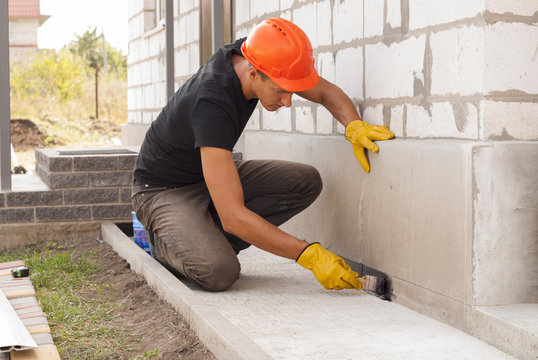
Few home repair topics cause more anxiety for DFW homeowners than foundation issues — and for good reason. North Texas's expansive clay soil makes foundation problems more common here than in almost any other region in the country. If you've searched "foundation repair DFW" or "foundation leveling cost near me," you're dealing with one of the most consequential (and often misunderstood) repairs a home can need.
At B.A. Concrete & Roofing, foundation-related concrete work is one of the services we handle most carefully throughout DFW and Johnson County, precisely because the stakes are so high when it comes to a home's structural integrity.
Why DFW Homes Are So Prone to Foundation Issues
North Texas sits on expansive clay soil, which behaves very differently from the sandy or rocky soil found in many other parts of the country. This clay swells significantly when it absorbs moisture and shrinks considerably during dry periods — creating a constant cycle of expansion and contraction beneath homes throughout the year.
This soil movement puts ongoing stress on foundations, which is why foundation issues are so widespread across the DFW Metroplex, even in relatively new construction, if the original foundation work didn't properly account for this soil behavior.
Common Signs of Foundation Problems
Recognizing early warning signs can help homeowners address foundation issues before they become significantly more expensive to fix. Watch for:
- Cracks in interior walls, particularly near doorways, windows, or corners
- Cracks in exterior brick or siding, especially diagonal cracks radiating from window or door corners
- Doors and windows that stick or won't close properly, even though they used to work fine
- Uneven or sloping floors, noticeable when walking through the home or placing a level on the floor
- Gaps between walls and ceilings or floors, particularly along baseboards or crown molding
- Cracks in the foundation itself, visible from the exterior of the home
- Nail pops or drywall seams separating, especially in a pattern along one area of the home
Why Some Cracking Is Normal (And Some Isn't)
Not every crack indicates a serious foundation problem. Thin, stable hairline cracks are relatively common and often relate to normal concrete curing and minor settling. However, wider cracks, cracks that continue growing, or cracks accompanied by other warning signs (sticking doors, sloping floors) usually indicate something more significant happening beneath the surface.
Common Causes of Foundation Problems in DFW
Soil Moisture Fluctuation
The single biggest factor affecting DFW foundations is the constant expansion and contraction of clay soil as moisture levels change throughout the year, particularly during transitions between wet spring seasons and dry summer months.
Poor Original Site Preparation
Foundations poured without proper grading, compaction, or reinforcement are significantly more vulnerable to future movement and settling issues, regardless of how the concrete itself was mixed.
Drainage Issues
Water pooling near a foundation, whether from poor yard grading, gutter issues, or landscaping problems, creates uneven moisture conditions in the soil beneath the home, accelerating foundation movement in that specific area.
Tree Roots
Large trees planted close to a home can draw significant moisture from the soil, contributing to uneven soil conditions beneath the foundation, particularly during dry periods.
Plumbing Leaks
Undetected leaks beneath a slab foundation can erode soil or create excess moisture in a concentrated area, leading to localized foundation movement.
Age and Natural Settling
Even a well-built foundation will experience some degree of natural settling over decades, particularly as the home ages and the surrounding soil continues its natural cycle of movement.
How Foundation Repair and Leveling Works
Foundation repair methods vary depending on the specific issue, foundation type, and extent of the damage, but common approaches include:
Pier Installation
Steel or concrete piers are driven beneath the foundation to stable soil or bedrock, providing additional support and helping to lift and stabilize areas that have settled.
Slab Jacking or Mudjacking
A specialized material is injected beneath a sunken area of concrete, lifting it back toward its original level position.
Crack Repair and Sealing
For less severe cracking, repair may involve sealing and reinforcing the affected area to prevent further water intrusion and additional movement.
Drainage Correction
In many cases, addressing the underlying moisture issue — through improved grading, gutter adjustments, or French drains — is just as important as the structural repair itself, since fixing the symptom without addressing the cause often leads to recurring problems.
Why Addressing Drainage Is Often the Real Fix
A significant number of foundation issues in DFW trace back to inconsistent soil moisture caused by poor drainage. Correcting grading around a home so water flows away from the foundation, rather than pooling near it, can meaningfully reduce the ongoing stress that leads to foundation movement in the first place.
What Affects Foundation Repair Cost
- Extent and severity of the foundation damage
- Repair method required (pier installation vs. crack repair vs. drainage correction)
- Size of the affected area
- Accessibility for repair equipment
- Whether drainage correction is needed alongside structural repair
When to Get a Professional Assessment
If you're noticing any combination of the warning signs mentioned earlier — particularly sticking doors, visible cracks, or sloping floors — it's worth getting a professional assessment sooner rather than later. Foundation issues typically worsen over time, and addressing them early is almost always more cost-effective than waiting until the damage becomes severe.
Why an Honest Assessment Matters
Foundation repair is an area where some companies push unnecessarily aggressive (and expensive) repairs regardless of actual severity. A trustworthy contractor will give you an honest evaluation of what your specific situation actually requires — whether that's a significant structural repair or simply addressing a drainage issue causing the movement.
Preventing Future Foundation Issues
- Maintain consistent watering around your foundation during dry summer months to reduce extreme soil moisture swings
- Ensure gutters and downspouts direct water away from the foundation, not toward it
- Address any drainage or grading issues promptly rather than letting water pool near your home
- Avoid planting large trees too close to your foundation
- Have any new cracks or warning signs assessed early rather than waiting
Why DFW Homeowners Trust Our Concrete Team
With over 15 years of experience working specifically with North Texas's challenging soil conditions, our in-house team understands how local clay soil affects foundations differently than other regions. We assess drainage, grading, and structural factors together — rather than treating foundation repair as an isolated concrete issue — because in DFW, these factors are almost always connected.
Concerned About Your Foundation?
Whether you're noticing early warning signs or dealing with more significant damage, getting an honest, thorough assessment is the right first step toward protecting your home's long-term stability.

Concerned about foundation issues at your property? Get your free estimate and honest assessment here.