
How Long Does Concrete Take to Cure? A DFW Homeowner's Timeline Guide
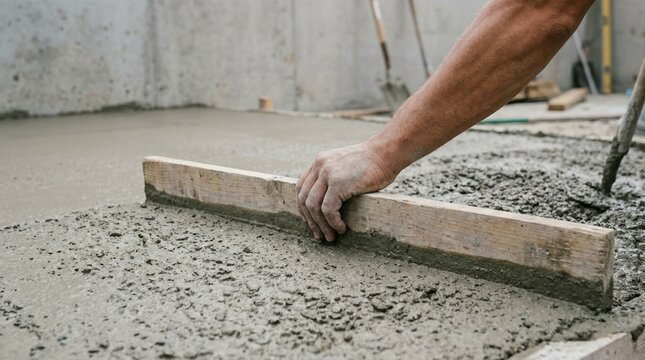
One of the most common questions homeowners ask after a concrete driveway, patio, or foundation pour is: "how long does concrete take to cure?" It's a fair question — walking on fresh concrete too soon, or driving on it before it's ready, can cause cracking, surface damage, or long-term structural issues. Understanding the actual concrete curing timeline helps you protect your investment and avoid costly mistakes.
At B.A. Concrete & Roofing, we install driveways, patios, and foundations throughout DFW and Johnson County, and one of the first things we walk every homeowner through is exactly how long their new concrete needs before it's ready for normal use.
Concrete Curing vs. Concrete Drying: What's the Difference?
Many homeowners assume "dry" and "cured" mean the same thing, but they don't. Concrete drying refers to the surface losing moisture and becoming hard to the touch — this can happen within 24 to 48 hours. Concrete curing, on the other hand, is the chemical hardening process that gives concrete its full strength, and it takes significantly longer.
The General Concrete Curing Timeline
While every project varies based on weather, mix design, and thickness, here's a general timeline homeowners can expect:
- 24 hours — Concrete is typically firm enough to walk on carefully, but should not be used for anything heavier.
- 3 to 7 days — Light foot traffic is usually fine. Vehicles, heavy furniture, or equipment should still be avoided.
- 7 days — Concrete has usually reached roughly 70% of its full strength.
- 28 days — This is the industry standard benchmark for concrete reaching its full design strength. Driveways and areas that will support vehicle weight should not be used for regular parking until this point, unless otherwise specified by your contractor.
Keep in mind, these numbers are general guidelines — actual concrete curing time depends on temperature, humidity, mix ratio, and reinforcement.
Factors That Affect Concrete Curing Time in Texas
Texas weather plays a bigger role in concrete curing than many homeowners realize:
- Heat — High summer temperatures can cause concrete to dry too quickly on the surface, which can lead to surface cracking if not properly managed during the pour.
- Humidity — Higher humidity can slow surface drying but doesn't necessarily speed up the internal curing process.
- Rain — Fresh concrete needs protection from rain during the first 24–48 hours to avoid surface damage.
- Concrete mix and thickness — Thicker slabs, like those used for driveways or foundations, take longer to fully cure than thin decorative pours.
- Reinforcement — Rebar-reinforced concrete is built for long-term load-bearing strength, which is part of why patience during curing matters so much.
What Happens If You Use Concrete Too Soon?
Rushing the concrete curing process is one of the most common (and preventable) mistakes homeowners make. Using a driveway or patio before it's fully cured can lead to:
- Surface cracking from vehicle or heavy foot traffic
- Indentations or unevenness in the surface
- Weakened structural integrity over time
- Voided warranties from the contractor
This is why a reputable concrete contractor will always walk you through the exact curing timeline for your specific project rather than giving you a generic number.
Tips for Protecting Fresh Concrete During Curing
- Avoid parking vehicles on new concrete until your contractor confirms it's ready
- Keep the surface free of standing water during the first few days
- Avoid pressure washing or sealing too early in the curing process
- Ask your contractor about weather-specific curing methods, especially during Texas summers
- Mark off the area clearly so pets, kids, or visitors don't walk on it too soon
Why an Experienced Concrete Contractor Matters
Concrete curing time isn't just a waiting game — it starts with how the concrete is mixed, poured, and finished in the first place. An experienced concrete contractor understands how to adjust for Texas heat, humidity, and seasonal conditions to reduce the risk of cracking and ensure the concrete cures properly from day one.
At B.A. Concrete & Roofing, our in-house team has more than 15 years of hands-on experience pouring driveways, patios, and foundations across DFW and Johnson County. Because we never subcontract our concrete work, the same experienced crew that pours your concrete is the crew that finishes it — ensuring consistent quality and a curing process done right the first time.
Frequently Asked Questions
Can I walk on new concrete after 24 hours?
Generally yes, with light foot traffic, but always confirm with your contractor first.
When can I park my car on a new concrete driveway?
Most contractors recommend waiting the full 28-day curing period before regular vehicle use, though some mixes may allow earlier use — ask your contractor for specifics.
Does rain ruin fresh concrete?
Rain within the first 24–48 hours can damage the surface if the concrete isn't protected, which is why timing and weather planning matter during the pour.
Get Concrete Work Done Right the First Time
Whether you're planning a new driveway, patio, or foundation, understanding the concrete curing process helps you protect your investment for decades to come. Our team walks every homeowner through the full timeline so there are no surprises — just an honest process from pour to final cure.

Ready to start your concrete project? Get your free estimate here.