
Metal Building Roof Styles: Choosing the Right Design for DFW Weather
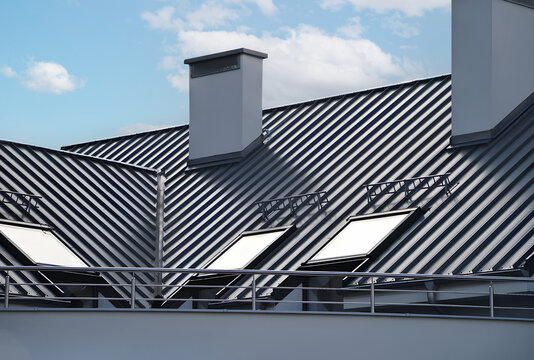
The roof style of a metal building affects far more than just its appearance — it plays a genuine role in how well the structure performs against water, wind, and heat over its entire lifespan. If you've searched "metal building roof styles," you're already thinking ahead about durability, not just aesthetics, and that's exactly the right approach for a structure that has to hold up against real Texas weather year after year.
At B.A. Concrete & Roofing, roof style is one of the more important design conversations we have with property owners planning a metal building throughout DFW and Johnson County, because this single decision affects water management, wind performance, and long-term maintenance in ways that aren't always obvious upfront.
Why Roof Style Deserves Serious Consideration
It's easy to think of a metal building's roof as a purely functional element — something that just needs to keep rain and sun out. But different roof styles handle water runoff, wind pressure, and even interior temperature regulation quite differently, which means the "right" choice genuinely depends on your specific property, climate exposure, and how you intend to use the structure.
Common Metal Building Roof Styles
Vertical Roof Panels
Among the most popular choices for modern metal buildings, vertical panels run top to bottom along the roof's slope, creating channels that direct water downward efficiently. This design offers excellent water runoff performance and has become associated with a clean, contemporary appearance that many property owners find appealing for both residential and commercial applications.
Horizontal Panel Roofs
A more traditional design where panels run perpendicular to the slope direction, horizontal panel roofs offer a different visual style, often associated with more classic agricultural or utilitarian building aesthetics. However, this design generally requires more careful installation attention to effectively shed water, since the panel seams run across the slope rather than with it, creating more opportunities for water to find its way through if installation isn't precise.
Gable Roofs
Featuring a peaked design with two sloping sides meeting at a central ridge, gable roofs provide strong water runoff performance on both sides and offer additional interior headroom compared to flatter roof styles. This design also tends to give a metal building a more traditional, residential-friendly silhouette, which many homeowners prefer for structures visible from the street or integrated into a residential property's overall aesthetic.
Single-Slope Roofs
A simpler design featuring one continuous slope from a higher point to a lower point, single-slope roofs are often the most cost-effective option and are commonly used for smaller storage buildings, lean-to structures, or utilitarian applications where a more elaborate roof design isn't necessary.
How Roof Style Affects Water Runoff Performance
This is one of the most practical, functional differences between roof styles, and it matters significantly in a region like DFW that experiences intense seasonal rainfall.
Vertical Panel and Gable Designs
Generally handle heavy rain more effectively than flatter or horizontal designs, since the water has a clear, relatively direct path to travel before reaching the roof's edge. This reduces the likelihood of water pooling or finding its way through seams during heavy downpours.
Horizontal Panel Designs
While still functional, these require more precise installation to prevent water infiltration at the horizontal seams, since water traveling down the slope encounters these seams perpendicular to its flow path — creating more opportunities for leaks if the panels aren't properly overlapped and sealed.
Single-Slope Designs
Perform reasonably well for water runoff, particularly for smaller structures, though the single directional flow means all runoff concentrates along one edge, which is worth considering for drainage planning around the structure's base.
Roof Style and Wind Performance
Given how frequently North Texas experiences severe thunderstorms and straight-line winds, wind performance is a genuinely important consideration alongside water management.
How Roof Pitch Affects Wind Resistance
Steeper roof pitches, common in gable designs, can offer certain wind performance advantages by allowing wind to flow more smoothly over the structure rather than creating the kind of pressure differentials that flatter designs sometimes experience. However, wind performance is also heavily influenced by the overall structural engineering, anchoring, and steel gauge — not roof style alone.
Why Wind Rating Discussions Should Include Roof Style
When discussing wind rating with your contractor, it's worth asking specifically how your chosen roof style factors into the overall structure's wind performance, since this is sometimes overlooked in favor of focusing purely on anchoring and steel gauge.
Aesthetic Considerations Beyond Function
While performance matters enormously, roof style also significantly affects how a metal building looks on your property — a consideration that shouldn't be dismissed, particularly for structures visible from the street or integrated into a residential setting.
Gable Roofs for Residential-Friendly Appearance
Often provide a more traditional, house-like appearance that blends more naturally with residential neighborhoods and existing home architecture, making them a popular choice for homeowners wanting their metal building to feel like an intentional addition to the property rather than a purely industrial structure.
Single-Slope Designs for Simpler, Utilitarian Structures
Tend to suit basic storage buildings, agricultural structures, or utilitarian applications where blending in aesthetically is less of a priority than straightforward function and cost-effectiveness.
Vertical Panel Designs for Modern Aesthetic Preferences
Have become increasingly popular for property owners wanting a cleaner, more contemporary look, whether for a residential workshop or a commercial structure.
Insulation and Roof Style Compatibility
Some roof styles accommodate insulation installation more easily and effectively than others, which is worth discussing if your metal building will be used as a workshop, office, or other regularly occupied space requiring temperature control.
Why This Connection Matters
A roof style that's harder to properly insulate can undermine your temperature control goals regardless of how much insulation material you invest in, since gaps or difficult installation areas can create thermal weak points. Discussing insulation plans alongside roof style selection, rather than as a separate afterthought, helps ensure the two decisions work well together.
How Roof Style Affects Long-Term Maintenance
Vertical Panel Roofs
Generally require less maintenance related to water pooling or debris accumulation, since the vertical channel design naturally sheds both water and debris efficiently.
Horizontal Panel Roofs
May require more attention to seam integrity over time, since these are the areas most vulnerable to water infiltration if the initial installation wasn't executed with precision, or if minor settling or movement occurs over the structure's lifespan.
Gable Roofs
Generally low-maintenance due to effective water shedding on both slopes, though the additional interior peak space (if left unfinished) can sometimes require attention for pest prevention or ventilation.
Regional Considerations Specific to DFW
North Texas's combination of intense summer heat, heavy seasonal rainfall, and occasional severe storms creates a unique set of demands on any roof style. A roof that performs beautifully in a drier, milder climate might not hold up as well against DFW's specific combination of conditions, which is why local experience with roof performance in this exact region matters when making this decision.
Tips Before Choosing a Roof Style
- Consider your specific use case — workshop, storage, or agricultural — when evaluating style options, since different uses may prioritize different performance characteristics
- Ask about wind rating differences between roof styles for your specific property, rather than assuming all styles perform equivalently against Texas storms
- Discuss insulation compatibility if temperature control matters for your intended use, ensuring your roof and insulation choices work together rather than against each other
- Balance aesthetic preferences with practical performance in Texas weather, recognizing that the best-looking option on paper isn't always the best-performing option for your specific climate and use case
- Ask your contractor about local performance experience with each roof style, since firsthand knowledge of how these designs hold up specifically in DFW conditions is more valuable than general, non-region-specific information
Why Property Owners Trust Our Metal Building Team
With over 15 years of experience, our in-house team helps DFW and Johnson County property owners choose metal building roof styles suited to both their functional needs and local weather conditions — not just whichever option looks best in a catalog photo, but the one that will genuinely perform well on their specific property for years to come.
Ready to Choose the Right Roof Style for Your Metal Building?
Whether you're prioritizing water runoff performance, wind resistance, aesthetic appeal, or some combination of all three, understanding how each roof style actually performs helps you make a confident, informed decision rather than guessing.

Ready to choose the right roof style for your metal building? Get your free estimate here.