
Pond & Water Feature Excavation: What DFW Property Owners Should Know
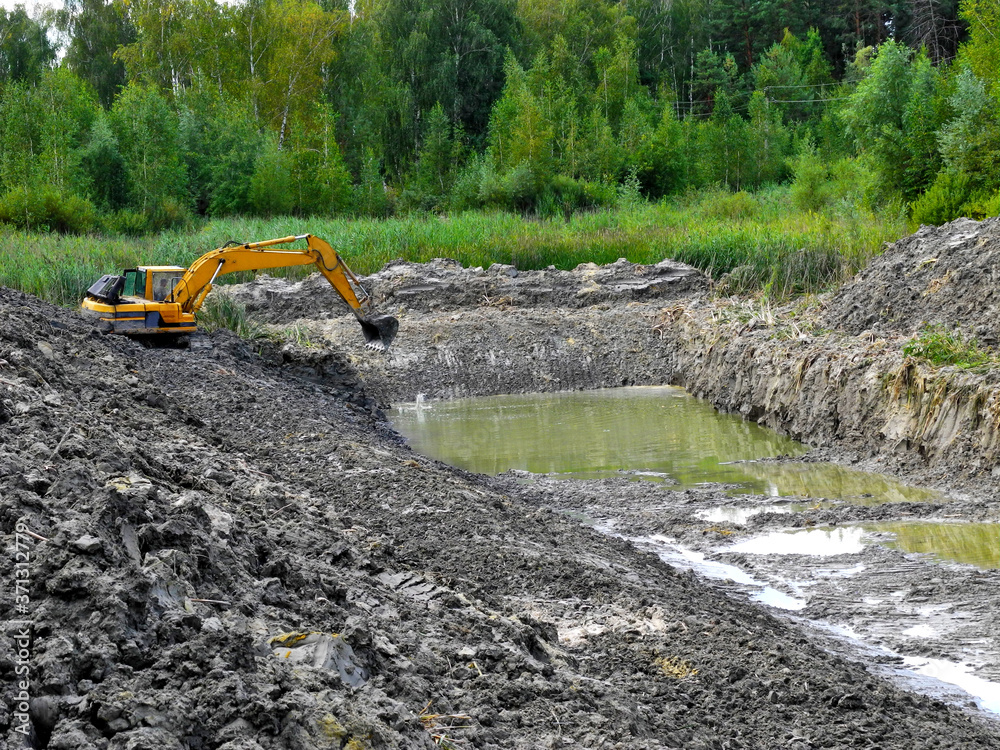
Adding a pond or water feature to a property is one of the more rewarding backyard upgrades a homeowner can take on — the sound of moving water, a focal point for landscaping, or a home for koi and aquatic plants. But before any of that becomes reality, the project starts with something far less glamorous: proper excavation. If you've searched "pond excavation DFW," here's a detailed look at what this process actually involves and why it matters so much to the finished result.
At B.A. Concrete & Roofing, pond and water feature excavation is part of our skid steer services throughout DFW and Johnson County, and it's a project type where precision and planning make a genuinely significant difference in the outcome.
Why Excavation Is the Foundation of Every Water Feature
It's easy to focus on the exciting parts of a pond project — the plants, the fish, the waterfall feature — but none of that functions properly without excavation that's been done correctly from the start. The shape, depth, and slope of the excavated area directly determine how well the finished feature holds water, supports plant and fish life, and integrates with the surrounding landscape.
What Pond & Water Feature Excavation Involves
Digging to the Specific Depth and Shape Required
Different water features require different depth profiles. A simple decorative pond has different requirements than a koi pond needing deeper areas for fish to escape temperature extremes and predators, and both differ from a small water feature meant purely as a visual and auditory landscaping element.
Removing and Properly Disposing of Excavated Soil
Depending on the size of the feature, pond excavation can generate a significant volume of soil that needs to be hauled away or repurposed elsewhere on the property, such as for grading or berm creation.
Grading the Surrounding Area
The area immediately around a pond or water feature needs to be graded to manage water flow and prevent erosion, ensuring rainwater doesn't wash sediment or debris into the feature and that overflow, if any, is directed appropriately.
Coordinating With Liner, Plumbing, or Filtration Systems
Most ponds and water features require a liner to hold water, along with plumbing for circulation and filtration systems to keep the water clear and healthy for any plants or fish. Excavation needs to account for these components from the start, rather than digging a hole and figuring out the rest afterward.
Why Proper Depth and Shape Matter So Much
Depth Variation for Plants and Fish
Ponds intended to support aquatic life often need multiple depth zones — shallow shelves for marginal plants, deeper areas for open water plants, and even deeper zones for fish to have safe refuge during temperature extremes or from predators. Getting this depth variation wrong during excavation is difficult and costly to correct afterward.
Shape Precision for Design Intent
Whether you're going for a natural, organic-looking pond or a more formal, geometric water feature, the excavation needs to precisely follow the intended shape, since adjustments after a liner and water are in place become significantly more complicated.
Why Getting This Right the First Time Matters
Unlike many landscaping features that can be adjusted relatively easily after installation, a pond's underlying excavation is difficult to modify once the liner, plumbing, and water are in place. This makes precise, careful excavation at the outset far more important than it might be for other backyard projects.
Soil Considerations for Water Features in DFW
North Texas's clay-heavy soil actually offers a somewhat unique advantage for pond construction — clay naturally holds water better than sandy or loose soil, which can work in a property owner's favor for water retention. However, this same soil type also requires careful handling during excavation:
- Proper compaction is still essential, even though clay holds water well, to prevent uneven settling that could disrupt the pond's shape or a liner's fit over time
- Drainage around the excavation still needs careful planning, since clay soil's tendency to shift with moisture changes can affect the stability of the surrounding ground if not properly managed
- Excavation timing can matter more with clay soil, since overly wet or overly dry conditions can affect how well the soil holds its shape during digging
Drainage Planning Around Water Features
A pond or water feature needs to be positioned and graded so that surrounding rainwater runoff doesn't overwhelm the system or introduce unwanted sediment and debris. At the same time, the area around the feature shouldn't develop unwanted pooling or erosion issues of its own. This requires thinking about the pond not as an isolated feature, but as part of the property's overall drainage picture.
Managing Runoff Into the Feature
If the pond is positioned in a low point of the yard without proper grading, it can end up collecting far more runoff water than intended, potentially overwhelming filtration systems or introducing unwanted debris and sediment.
Preventing Erosion Around the Perimeter
The soil immediately surrounding a pond needs stable grading to prevent erosion, particularly important for maintaining the pond's edges and any surrounding landscaping or hardscaping.
Common Water Feature Excavation Projects
Garden Ponds and Koi Ponds
Often the most involved type of water feature excavation, requiring careful depth variation, proper filtration planning, and consideration for fish health and safety.
Small Decorative Water Features
Simpler in scope, these might include a small fountain feature or basin, requiring less extensive excavation but still needing proper planning for drainage and any plumbing components.
Larger Pond Installations
For property owners wanting a more substantial water feature, potentially for aesthetic, wildlife, or even light agricultural purposes, excavation scope increases significantly, along with the associated planning requirements.
Site Prep for Pool-Adjacent Water Features
Some homeowners incorporate water features as part of a broader pool landscaping design, which requires coordinating pond excavation with the pool area's existing drainage and grading.
Coordinating Excavation With Other Trades
Larger water feature projects often involve coordination between excavation, plumbing (for circulation and filtration systems), and sometimes structural elements like retaining walls or decorative edging. This makes clear communication between everyone involved in the project genuinely important — a plumber needs to know exactly where and how deep to expect certain features, and an excavation crew needs to understand where plumbing components will need access or pass-through points.
Why Utility Locates Matter Even for Backyard Projects
Before any digging begins for a pond or water feature, existing underground utilities need to be located and marked, just as with any other excavation project. Even in a backyard setting, buried utility lines, irrigation systems, or other underground infrastructure can be present, and skipping this step introduces real risk of costly damage or safety hazards.
Tips Before Starting Pond or Water Feature Excavation
- Confirm utility locates are completed before any digging begins, regardless of how far the project seems from typical utility concerns
- Discuss depth and shape requirements clearly with your excavation contractor, including any plans for plants, fish, or specific design elements
- Plan drainage around the feature, not just the excavation itself, considering how the pond fits into your property's broader water management
- Coordinate timing with any additional trades involved, such as plumbers handling filtration and circulation systems
- Consider your long-term maintenance plans for the feature, since this can affect decisions made during the excavation phase, like access points for future cleaning or equipment servicing
Why Precision Excavation Pays Off Long-Term
A pond or water feature excavated with care and precision from the start avoids many of the problems that plague poorly planned projects — uneven water levels, liner damage from improper grading, erosion around the edges, or filtration systems that don't function as intended due to improper depth planning. Investing in careful excavation upfront genuinely does save homeowners from costly corrections down the road.
Why Property Owners Trust Our Excavation Team
With over 15 years of experience, our in-house team handles excavation for ponds, water features, and other specialized projects throughout DFW and Johnson County, bringing the same precision and careful planning to a decorative backyard pond that we bring to foundation and structural excavation work.
Planning a Pond or Water Feature Project?
Whether you're envisioning a simple decorative feature or a full koi pond with plants and filtration, proper excavation from the very beginning sets the foundation for a water feature that performs well and looks great for years to come.

Planning a pond or water feature project? Get your free estimate here.