
Pool Deck Resurfacing in DFW: How to Keep Concrete Cool & Crack-Free
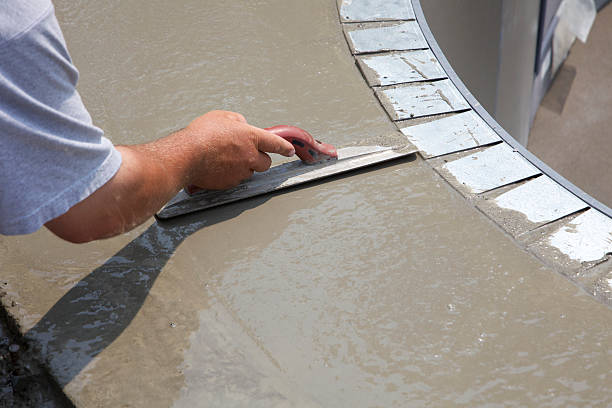
If you've ever walked barefoot across your pool deck on a hot Texas afternoon and immediately regretted it, you're not alone. Standard concrete absorbs and radiates heat, and combined with intense DFW summer sun, an older or worn pool deck can become uncomfortably hot, cracked, or slippery — which is exactly why so many homeowners search "pool deck resurfacing cost DFW" or "cool deck concrete near me" each spring before pool season kicks off.
At B.A. Concrete & Roofing, pool decks are one of the concrete projects we see the most wear-and-tear complaints about, largely because they take a beating from sun, water, and chemical exposure that a standard driveway or patio never has to deal with. Here's what DFW homeowners should know before resurfacing or replacing a pool deck.
Why Pool Decks Wear Out Faster Than Other Concrete Surfaces
Pool decks face a uniquely harsh combination of conditions:
- Constant sun exposure, often with little to no shade
- Chlorine and pool chemical splash-out, which can degrade unsealed concrete over time
- Frequent water exposure, increasing the risk of surface erosion and staining
- Heavy foot traffic, often with wet feet, sunscreen, and pool toys dragging across the surface
Combined with DFW's intense summer heat and the region's expansive clay soil, pool decks often show cracking, discoloration, and surface wear years before a typical driveway would.
Signs Your Pool Deck Needs Resurfacing
- Surface cracking, even if it's just hairline cracks spreading across the deck
- Fading, staining, or blotchy discoloration from sun and chemical exposure
- A rough, pitted, or flaking surface texture
- The deck feels uncomfortably hot to walk on, even compared to other concrete on your property
- Slippery spots, especially in shaded or frequently wet areas
What Is "Cool Deck" Concrete?
One of the most popular solutions for hot pool decks is a cool deck coating — a specialized concrete topping applied over an existing (or new) slab that's designed specifically to stay cooler underfoot than standard gray concrete.
How Cool Deck Coatings Work
- Lighter colors reflect more sunlight than standard concrete, reducing heat absorption
- A textured finish increases surface area, which helps dissipate heat more efficiently
- The coating creates a slip-resistant surface, which is especially important around a wet pool area
Homeowners are often surprised at how much of a difference this makes — a cool deck surface can feel noticeably cooler underfoot on a hot day compared to standard broom-finished concrete.
Resurfacing Options for Pool Decks
1. Cool Deck Coating
As described above, this is the most popular option specifically for temperature reduction and slip resistance around pools.
2. Stamped Concrete Overlay
For homeowners wanting both function and a decorative upgrade, a stamped overlay can mimic stone, tile, or travertine while still improving the deck's surface condition.
3. Stained Concrete Overlay
A more budget-friendly decorative option, staining an existing or resurfaced deck can refresh its appearance without the cost of a full stamped pattern.
4. Standard Resurfacing (No Decorative Finish)
For homeowners primarily concerned with repairing cracks and surface wear rather than changing the look, a standard resurfacing layer can restore a smooth, even surface at a lower cost than decorative options.
Resurfacing vs. Full Pool Deck Replacement
Resurfacing typically makes sense when:
- Damage is limited to the surface layer (cracking, staining, pitting)
- The underlying slab is still structurally sound
- You want to update the look or improve heat/slip performance without a full teardown
Full replacement is usually necessary when:
- Cracks run through the full depth of the slab
- Significant settling or unevenness has developed around the pool
- The deck has already been resurfaced multiple times without lasting results
- Drainage issues have caused water damage beneath the slab
What Affects Pool Deck Resurfacing Cost
- Square footage of the deck area
- Finish type — a basic resurfacing costs less than a stamped or fully decorative overlay
- Existing damage — extensive cracking or repair work needed before resurfacing adds to the cost
- Color and texture options — custom cool deck colors or patterns can affect pricing
- Site accessibility — pool decks with tight access or landscaping obstacles may require additional labor
Why Drainage Matters Just as Much as the Surface
A common mistake in pool deck projects is focusing entirely on the surface finish while ignoring drainage. Pool decks need to be properly sloped to direct water away from the pool structure and toward appropriate drainage points — not just around the pool, but away from your home's foundation as well, especially given DFW's clay soil and its tendency to shift with moisture changes.
A resurfacing project is actually a great opportunity to correct minor drainage issues at the same time, since the surface is already being addressed.
Tips Before Resurfacing Your Pool Deck
- Ask whether the resurfacing addresses existing cracks or just covers them cosmetically
- Discuss cool deck coating options if heat has been a persistent complaint
- Confirm the contractor evaluates drainage and slope, not just surface finish
- Get a written estimate that separates repair work, resurfacing material, and any decorative finish costs
- Ask about the expected lifespan of the resurfacing compared to a full replacement
How Long Does Pool Deck Resurfacing Take?
Most pool deck resurfacing projects can be completed within a few days, depending on the size of the deck and the extent of any repair work needed before the new surface is applied. Curing time before the deck can handle regular foot traffic typically follows standard concrete curing guidelines, though your contractor should confirm specifics based on the resurfacing product used.
Maintaining a Resurfaced Pool Deck
Once your pool deck is resurfaced, a few simple habits help it last:
- Rinse off sunscreen, pool chemicals, and debris regularly to prevent staining
- Reseal the surface periodically, especially for cool deck coatings, to maintain color and texture
- Address small cracks or chips early before they spread
- Keep drainage paths clear of debris to avoid standing water on or near the deck
Why Homeowners Trust B.A. Concrete & Roofing for Pool Deck Work
With over 15 years of experience and 2,500+ completed concrete projects throughout DFW and Johnson County, our in-house team understands exactly how Texas heat, sun exposure, and soil movement affect pool decks specifically — not just concrete in general. We assess drainage, existing damage, and your goals (comfort, appearance, or both) before recommending a resurfacing approach, rather than pushing a one-size-fits-all solution.
Ready to Fix Your Pool Deck Before Summer?
Whether your pool deck is too hot to walk on, showing cracks, or just looking worn and dated, resurfacing is often a faster, more affordable path to a deck that looks better and performs better — without the cost of a full teardown.

Ready to cool down and refresh your pool deck? Get your free estimate here.