
Vinyl Fencing in DFW: A Low-Maintenance Option Worth Considering
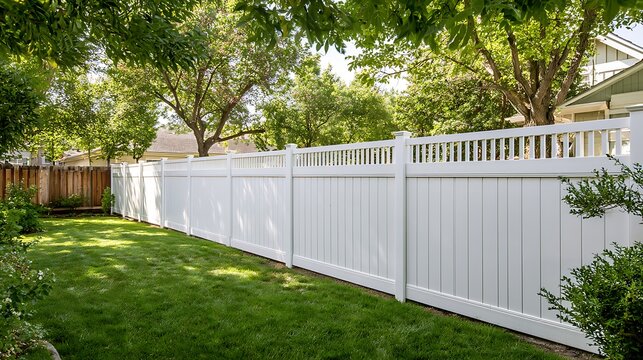
For homeowners tired of the recurring upkeep that comes with wood fencing — the staining, the sealing, the periodic board replacements — vinyl has become an increasingly popular alternative worth genuinely exploring. If you've searched "vinyl fencing DFW," you're likely somewhere in the process of weighing whether this material actually delivers on its low-maintenance reputation, and whether it makes sense for a property specifically in North Texas's climate.
At B.A. Concrete & Roofing, vinyl fencing is one of several material options we regularly install throughout DFW and Johnson County, and it's a material that genuinely deserves serious consideration for homeowners prioritizing long-term ease of ownership over the traditional aesthetic of wood.
What Is Vinyl Fencing?
Vinyl fencing is manufactured from PVC (polyvinyl chloride) material, engineered and molded to resemble traditional wood fence styles — privacy panels, picket designs, and various other configurations — while offering fundamentally different material properties and long-term performance characteristics than actual wood.
Why Homeowners Choose Vinyl Fencing
Resistant to Rot, Warping, and Pest Damage
Unlike wood, which is organic material vulnerable to moisture absorption, fungal growth, and insect damage, vinyl is a synthetic material that simply doesn't experience these same vulnerabilities. There's no risk of termites boring into vinyl fence posts, no concern about wood rot developing at ground contact points, and no gradual warping from repeated wet-dry cycles.
Low Maintenance, Requiring No Staining, Sealing, or Painting
This is often the single biggest draw for homeowners considering vinyl — the material doesn't require the periodic staining or sealing that wood fencing typically needs every few years to maintain its appearance and protect against weather damage. For homeowners who've grown tired of this recurring maintenance cycle, or who simply don't want to add another item to their home maintenance list, this is a genuinely significant advantage.
Holds Color Well Over Time Without Fading Issues
Quality vinyl fencing is manufactured with UV-resistant properties built into the material itself, meaning the color doesn't fade or bleach out under prolonged sun exposure the way painted or stained wood surfaces eventually can.
Available in Styles That Closely Mimic Traditional Wood Fencing
For homeowners who like the classic aesthetic of a wood privacy fence or picket design but want to avoid the associated maintenance, vinyl manufacturers have gotten increasingly sophisticated at replicating these traditional looks, offering styles that provide much of the visual appeal without the upkeep burden.
Durability in Texas Weather
Performance Against Heat
Texas summers bring sustained, intense heat that can affect various fencing materials differently. Quality vinyl fencing is generally engineered to withstand high temperatures without significant softening or structural compromise, though extremely cheap, low-quality vinyl products can sometimes show more vulnerability to heat-related issues than premium options.
Performance Against Humidity
Where wood fencing faces genuine challenges from North Texas humidity — moisture absorption leading to swelling, warping, and eventual rot — vinyl's non-porous nature means humidity simply doesn't affect it the same way, since there's no organic material for moisture to penetrate and cause structural degradation.
Performance During Storms
Vinyl fencing generally holds up reasonably well during typical storm conditions, though like any fencing material, extremely severe wind events can potentially cause damage, particularly to panels that aren't properly installed or anchored.
Cost Considerations
Upfront Cost Comparison
Vinyl fencing typically costs more upfront than a comparable wood fence, reflecting the material and manufacturing costs involved in producing quality vinyl fencing products.
Long-Term Cost Considerations
While the initial investment is higher, vinyl often costs less over the fence's full lifespan due to minimal maintenance requirements and a generally longer expected lifespan compared to wood, which may need board replacements, re-staining, or eventually full replacement sooner than a well-installed vinyl fence would require.
Factoring in the True Cost of Wood Maintenance
When homeowners compare vinyl and wood purely on upfront installation cost, they're not always accounting for the cumulative cost of wood's ongoing maintenance needs — periodic staining or sealing (materials and labor, whether DIY or hired out), occasional board replacement, and the eventual full replacement that wood fencing typically requires sooner than vinyl.
Maintenance Comparison
Wood Fencing Maintenance Requirements
A typical wood fence benefits from staining or sealing approximately every 2-3 years to maintain appearance and protect against weather damage, along with occasional spot repairs as individual boards show wear, rot, or damage over time.
Vinyl Fencing Maintenance Requirements
By contrast, vinyl fencing generally only needs occasional cleaning — typically just rinsing off dirt, pollen, or mildew buildup with water and mild soap — to maintain its appearance, without any need for the periodic protective treatments that wood requires.
Why This Difference Matters for Many Homeowners
For homeowners who don't particularly enjoy home maintenance tasks, or who simply want to minimize the number of recurring items on their property upkeep list, this difference in maintenance burden can be a genuinely significant factor in the material decision.
Considerations Before Choosing Vinyl
Cold Weather Brittleness
Vinyl can become somewhat more brittle in extreme cold, a characteristic that's more relevant in climates with harsh, prolonged winters than it typically is in most DFW winters, though it's worth being aware of as a general material characteristic.
Color Options Are More Limited Compared to Paintable Materials
Because vinyl fencing comes pre-colored during manufacturing rather than being paintable or stainable after installation, homeowners are somewhat more limited to the color options a manufacturer offers, compared to wood, which can be stained or painted in virtually any color or finish desired.
Repairs Typically Mean Panel Replacement
Unlike wood, where a single damaged board can often be individually replaced, vinyl fencing damage more commonly requires replacing an entire panel section, since the material doesn't lend itself to the same kind of individual board-level repair that wood fencing allows.
Initial Investment Requires Confidence in Long-Term Ownership
Because vinyl's cost advantage plays out over the fence's lifespan rather than immediately, homeowners who don't anticipate staying in a property long-term may not fully realize the material's long-term value proposition compared to a lower-upfront-cost wood fence.
Is Vinyl Fencing Right for Your Property?
Vinyl tends to be a strong fit for homeowners who:
- Prioritize low long-term maintenance over the lowest possible upfront cost
- Have grown tired of the regular upkeep wood fencing requires
- Want a consistent appearance that doesn't fade or require periodic refreshing
- Plan to stay in their property long enough to realize the material's long-term cost advantages
- Prefer a specific style that vinyl manufacturers offer, replicating traditional wood aesthetics without the associated maintenance
Wood may still make more sense for homeowners who:
- Want maximum color and finish customization through staining or painting
- Prefer the ability to repair individual boards rather than full panel sections
- Are planning a shorter-term property ownership where long-term maintenance savings matter less
- Specifically prefer wood's natural material aesthetic over vinyl's manufactured appearance
Installation Considerations Specific to DFW
Post Anchoring in Clay Soil
Regardless of fence material, proper post anchoring matters significantly given DFW's expansive clay soil, which shifts considerably with seasonal moisture changes. Vinyl fence posts need to be properly set and, in many cases, anchored with concrete footings to ensure long-term stability despite this soil movement.
Why Professional Installation Matters
While vinyl fencing is sometimes marketed as relatively simple to install, proper post setting and panel alignment still require genuine skill and attention, particularly given DFW's challenging soil conditions — a poorly installed vinyl fence can develop alignment issues or instability regardless of the material's inherent durability advantages.
Tips Before Choosing Vinyl Fencing
- Compare long-term maintenance costs against wood, not just upfront pricing, considering the cumulative cost of staining, sealing, and repairs over a comparable timeframe
- Ask about panel repair options in case of future damage, understanding how replacement sections are sourced and installed if needed
- Confirm post anchoring methods appropriate for DFW's clay soil, ensuring the installation accounts for local ground conditions regardless of the fence material's own durability
- Consider your realistic timeline for property ownership, since vinyl's cost advantages play out most favorably over a longer ownership period
- Request to see samples of the specific vinyl product and color being proposed, since quality and appearance can vary between different manufacturers and product lines
Why Homeowners Trust Our Fence Installation Team
With over 15 years of experience, our in-house team installs vinyl and other fencing materials throughout DFW and Johnson County, helping homeowners choose the option that genuinely fits their maintenance preferences, budget, and long-term ownership plans — rather than simply pushing whichever material happens to be easiest or most profitable for us to install.
Ready to Explore Low-Maintenance Fencing Options?
Whether vinyl turns out to be the right fit for your property or another material makes more sense given your specific priorities, understanding the genuine trade-offs helps you make a confident, informed decision rather than choosing based on assumptions alone.

Ready to explore low-maintenance fencing options? Get your free estimate here.